
About Accessibility Consulting

Disability-owned company specializing in accessibility

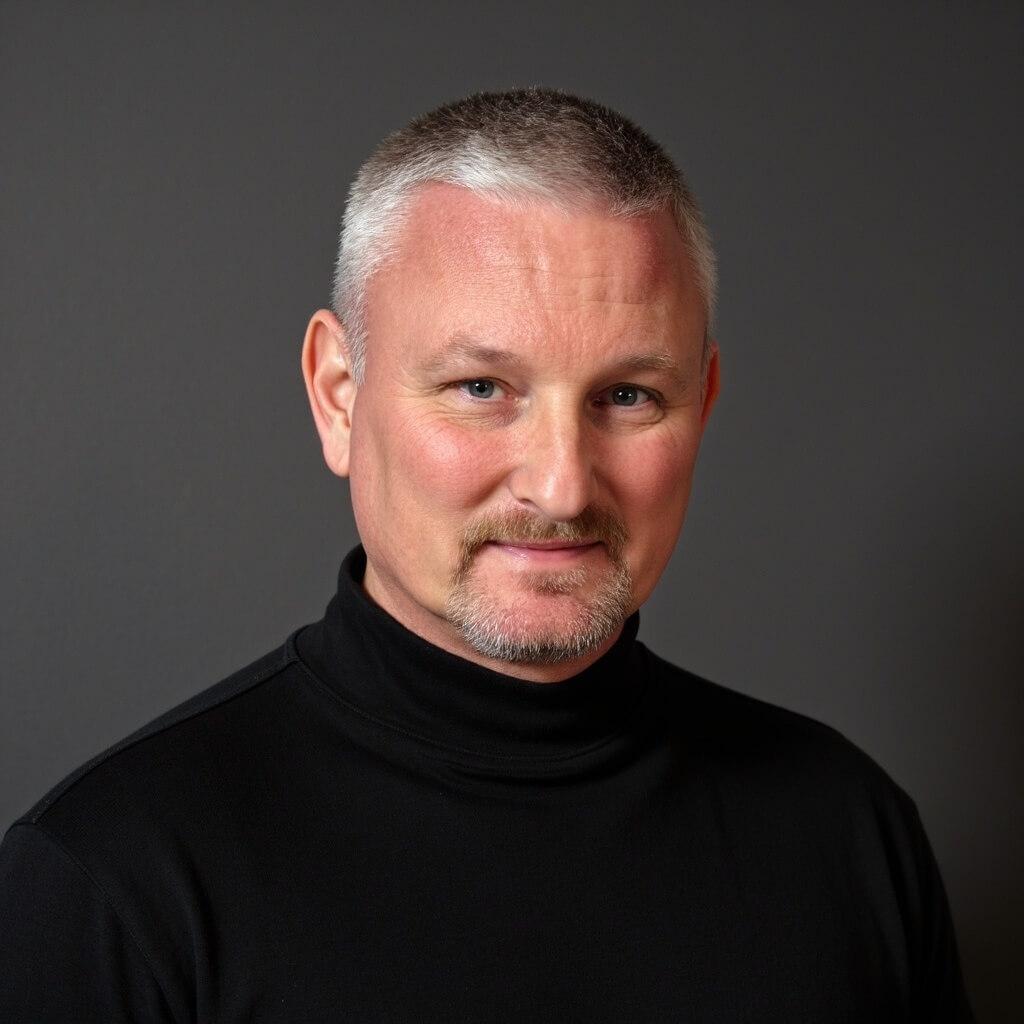
Accessibility Consulting was Founded by Kim Vigsbo in 2010

Born in Denmark, Kim has lived in the US since 1994 and is neurodivergent (Dyslexic and Auditory Processing Disorder).

He earned a Bachelor's Degree in Graphic Design while living in England and created his first HTML page in 1995.

With solid experience as a UX/UI Designer and Front-End Developer, Kim has specialized in Digital Accessibility services and ADA Compliance since 2010.

He has provided accessibility services for companies such as Microsoft, Wharton University, Penske Transportation, American Express, and a number of agencies and web design companies over the years.

Kim is a member of the International Association of Accessibility Professionals.

Hidden disabilities banner (sunflower on colored background)

The Logo

Our logo represents infinite digital accessibility and continuous progress.

The open-ended design symbolizes that digital accessibility is never truly finished - there is always room for improvement, innovation, and growth.

The flowing lines form a subtle nod to "AC" (Accessibility Consulting), while the open space invites fresh ideas to enter and outdated barriers to leave.

This logo reflects our core belief: digital accessibility is an ongoing journey, not a one-time task.

It captures our mission to create inclusive, evolving solutions that adapt to people, technology, and the ever-changing digital landscape.
Neurodivergent

Being neurodivergent means your brain functions, learns, and processes information differently from what's considered "typical" or neurotypical, encompassing conditions like Autism, ADHD, Dyslexia, Tourette's, and others, viewing these as natural human variations rather than deficits.

It describes people whose neurological makeup differs from the majority, impacting social interaction, focus, sensory experiences, and more, but also bringing unique strengths and perspectives.  

Key Aspects of Neurodivergence:

  • Brain Differences: It's about how the brain is wired and processes information, not a flaw.
  • Common Conditions: Includes Autism Spectrum Disorder (ASD), ADHD, Dyslexia, Dyspraxia, Tourette Syndrome, OCD, and sensory processing differences (ADP).
  • Varied Experiences: Manifests differently in individuals, with potential challenges in social cues, focus, or sensory input, but also intense focus and unique problem-solving.
  • Neurodiversity Movement: Views these differences as normal, valuable parts of human diversity, challenging the idea of a single "normal" brain.
  • Strengths & Challenges: Can involve challenges in a world built for neurotypical people but also unique skills and ways of thinking.

Examples of Differences:

  • Social Communication: May find eye contact or body language difficult, but excel in online communication.
  • Sensory: Heightened sensitivity to light, sound, or textures.
  • Focus & Energy: Intense focus on special interests or difficulty staying still/focused.
  • Learning: Differences in reading (Dyslexia) or math (Dyscalculia).